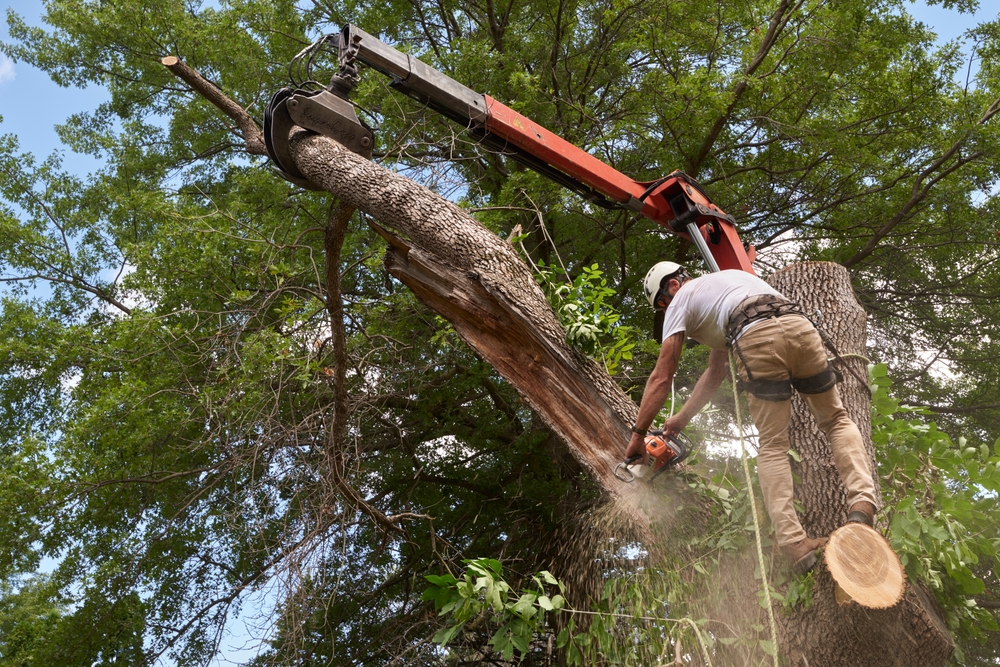
How to Know When It’s Time to Remove a Tree
Trees add beauty and value to any property, but not every tree is safe to keep indefinitely. Homeowners may need to remove a tree when signs of instability, disease, or structural damage appear. Recognizing warning signs early can protect both your landscape and your property investment.
Ignoring risky trees can lead to costly damage, injuries, or unsafe outdoor spaces. Proper evaluation helps prevent hazards from falling branches or sudden collapses. Taking proactive measures ensures your yard remains safe, attractive, and functional for daily use.
When Should You Consider Removing a Tree?
Determining the right time to remove a tree involves evaluating safety risks and structural concerns. Trees that lean significantly, show dead limbs, or have exposed roots often require professional attention. Acting promptly can prevent property damage and maintain a healthy outdoor environment.
Is Your Tree Leaning or Showing Trunk Cracks?
Leaning trees often indicate root instability or soil erosion that threatens their upright growth. If a trunk shows visible cracks, the tree may be structurally compromised, increasing the risk of collapse. Evaluating these issues early allows homeowners to remove a tree before serious damage occurs.
Even a small lean can worsen during storms or high winds, potentially damaging nearby structures. Signs like trunk splitting, bulging areas, or peeling bark should prompt inspection. Consulting a professional ensures an accurate assessment of risk and stability.
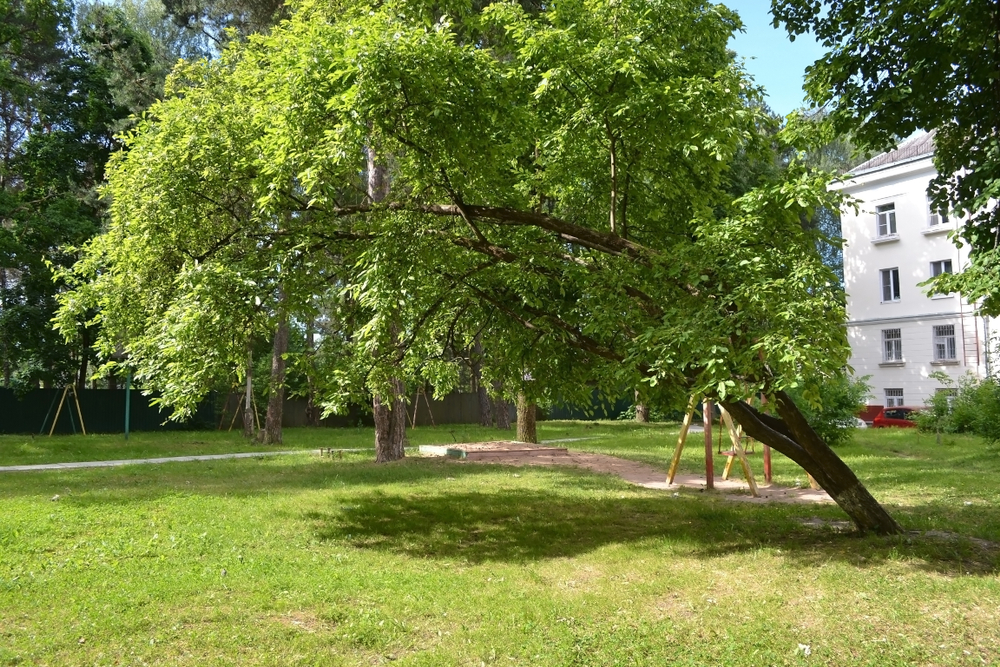
Homeowners should also consider the tree’s location near driveways or sidewalks. Neglecting these risks may lead to property damage or liability concerns. Early intervention protects both people and property.
In addition, monitoring leaning trees can prevent unexpected emergencies. Learning the safe way to remove large trees ensures hazardous situations are handled properly. Professional evaluation helps determine whether trimming, bracing, or removal is necessary.
Why Dead or Dying Limbs Increase Risk
Dead or dying branches can fall unexpectedly, creating dangerous conditions for property and people. A tree with multiple dead limbs is often a candidate to remove a tree to reduce hazards. Branches may break even under light wind, rain, or snow.
These limbs can attract pests and accelerate decay. Fungal infections often develop in weakened areas, further threatening structural stability. Timely attention minimizes risks and maintains surrounding vegetation.
Signs of Hazardous Limbs:
Broken or hanging branches in the canopy
Cracked or brittle branch ends
Large dead limbs threatening structures
Excessive leaf loss indicating decay
Pruning may temporarily extend a tree’s life, but widespread decay often requires removal. Homeowners who understand the hidden risks of leaving tree stumps can better plan preventive care. Regular monitoring of limb health is essential for responsible tree maintenance.
How Do Exposed or Damaged Roots Affect Safety?
Roots support tree stability, and exposed or damaged roots compromise this foundation. Roots lifting sidewalks, patios, or foundations signal the need to remove a tree before damage escalates. Ignoring root issues can result in costly repairs and uneven ground.
Other indicators include cracked soil or decaying root systems. Pooling water near the tree base may also indicate rot affecting structural integrity. Professional evaluation ensures accurate diagnosis of root-related hazards.
Root protection strategies may preserve some trees temporarily, but advanced damage often requires removal. Scheduling a tree health inspection can help identify problems before they worsen. Maintaining root health safeguards property and ensures stable, functional landscapes.
Finally, monitoring roots periodically prevents sudden failures that could endanger people or property. Addressing root problems early allows safer preservation of the tree when possible. Professional evaluation provides solutions tailored to each situation.
What Does Fungal Growth or Disease Mean for Tree Health?
Fungal growth, cankers, or visible disease can weaken limbs and trunks structurally. Trees with these signs may need to remove a tree to prevent collapse. Early detection helps stop spread to nearby healthy trees.
Mushrooms at the base or discolored bark patches indicate advanced decay. Diseased trees can drop branches unexpectedly, even during calm conditions. Regular inspections allow timely interventions.
Treatment can help minor infections, but severe decay often leaves removal as the safest choice. Addressing the disease prevents hazards and protects nearby vegetation. Maintaining healthy trees reduces overall landscape risks.
Homeowners should consider integrating tree maintenance beyond trimming into annual yard care. Following expert advice ensures safe, attractive, and thriving outdoor spaces. Proper attention minimizes surprises and protects property value.
When Multiple Warning Signs Appear: A Professional Evaluation Is Key
Multiple risk indicators together significantly increase the likelihood of tree failure. A professional evaluation determines whether to trim, treat, or remove a tree entirely. Combining signs of leaning, dead limbs, root damage, or disease informs safer decisions.
Monitoring several indicators at once is critical for homeowner safety. Ignoring signs may escalate hazards during storms or strong winds. An expert evaluation ensures every factor is properly assessed.
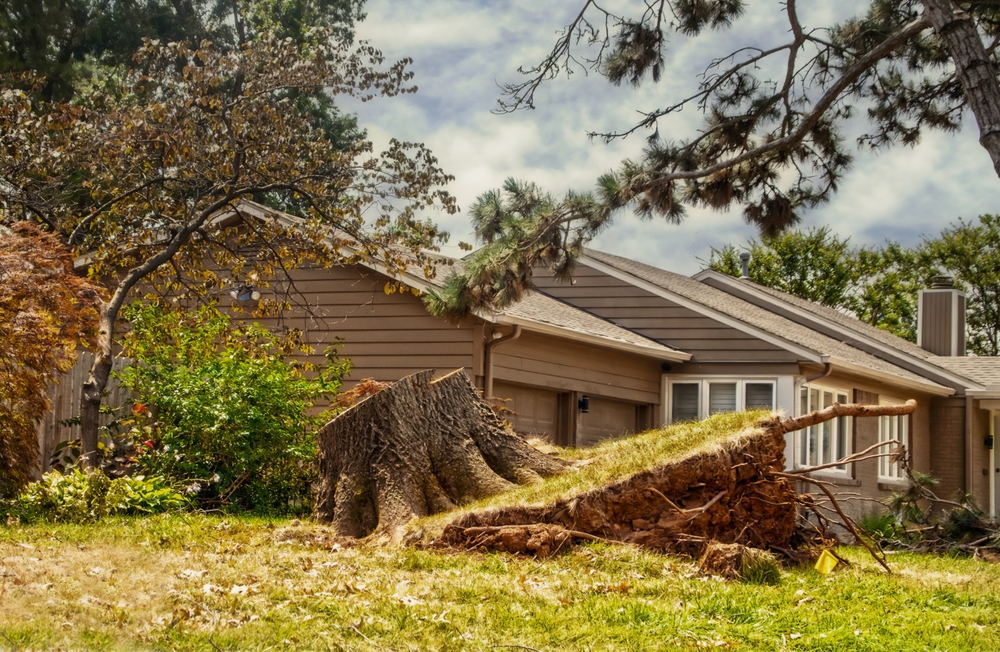
Key Signs Requiring Evaluation:
Leaning trunk with visible cracks
Numerous dead or dying limbs
Roots lifting hardscapes or showing decay
Fungal growth, cankers, or disease
Structural instability noted after storms
Professional assessment prevents injuries, property damage, and liability risks. Homeowners can also find reliable tree services near you to handle complex situations safely. Timely intervention guarantees safety while maintaining a healthy landscape.
Protecting Your Property with Safe Tree Removal
Regular evaluations prevent hazards while maintaining property value over time. Recognizing weaknesses early allows homeowners to act efficiently and reduce risk. Prioritizing tree health ensures a safe and aesthetically pleasing yard for daily use.
Working with professionals like Mark’s Tree & Stump Removal ensures expert assessments and safe removal when hazards are detected. Their team provides reliable service that safeguards your property while keeping outdoor spaces healthy. You can schedule a consultation to protect your home and evaluate your trees today.